Planned from the driver's seat
When Is the Best Time to Visit India?
October to March is the best time to visit most of India. Days are dry, sunny and comfortable for sightseeing, and the major festivals fall in this window. The high Himalayas reverse the pattern entirely — Ladakh and Spiti are only reachable from roughly June to September.
The short answer
- Overall best: October to March. Dry, sunny, comfortable, and the festival season.
- Single best months: February and March. Fog has cleared, heat has not arrived, crowds and prices ease after the December peak.
- Himalayas are the opposite: June to September. Ladakh and Spiti passes are snow-bound the rest of the year.
- Avoid May and June on the plains — over 40°C, and above 45°C in the Rajasthan desert.
- December–January bring dense morning fog across the Delhi–Agra plain. Beautiful days, slow starts.
- Monsoon (July–September) is fine on the plains and genuinely cheap — but avoid hill roads, which see landslides.
- Late December is the most expensive fortnight of the year. Book months ahead.
Best time to visit India by region
India is not one climate. Where you are going matters more than the calendar.
| Region | Best months | Avoid | Why |
|---|---|---|---|
| North India Delhi, Agra, Jaipur, Rajasthan | October–March | April–June | Dry, clear sightseeing weather. Summer regularly tops 40°C, and Rajasthan can pass 45°C. |
| South India Kerala, Goa, Karnataka | November–February | June–September | Coastal breezes, dry beaches and backwaters. Kerala takes the full southwest monsoon. |
| Tamil Nadu & the southeast coast | January–March | October–December | Uniquely, this coast gets a second monsoon from the northeast in Oct–Dec. |
| The high Himalayas Ladakh, Spiti, Zanskar | June–September | November–May | The only window the high passes are open. Snow closes them the rest of the year. |
| Himalayan foothills Shimla, Manali, Dharamshala, Rishikesh | March–June, Sept–Nov | July–August | Pleasant when the plains bake. Monsoon brings landslides and road closures. |
| Central India & tiger parks Ranthambore, Bandhavgarh, Kanha | February–April | July–September | Sightings peak as water dries up. Most parks close during the monsoon. |
| The East Varanasi, Kolkata, Odisha | October–March | April–September | Heat plus humidity is harder work here than the dry heat of the west. |
| The Northeast Assam, Meghalaya, Sikkim | October–April | May–September | Among the wettest places on earth during the monsoon. |
The single most useful thing on this page: the Himalayas run on the opposite calendar to everywhere else. A Rajasthan trip and a Ladakh trip cannot sensibly be combined in one visit — pick one, and come back for the other.
India month by month
Weather, crowds, cost and what each month is genuinely good for.
| Month | North India weather | Crowds & cost | Best for | Watch out |
|---|---|---|---|---|
| January | Cold mornings, mild sunny days | High | Clear light, comfortable sightseeing, Jaipur Literature Festival | Dense fog; the Taj can be hidden at sunrise |
| February | Mild and dry — close to ideal | High but easing | Golden Triangle, Rajasthan, tiger parks, Jaisalmer Desert Festival | Book early; it is popular for good reason |
| March | Warm days, still comfortable | Moderate | Holi, excellent value, everything still open | Heat builds late in the month |
| April | Hot, 35–40°C | Low | Tiger sightings, hill stations, low prices | Midday sightseeing on the plains becomes hard |
| May | Very hot, often 40°C+ | Low (foreign), high (domestic hills) | Himalayan foothills, Ladakh opening up | The plains are genuinely uncomfortable |
| June | Hot then humid as monsoon arrives | Low | Ladakh and Spiti open; Kerala Ayurveda season | Pre-monsoon humidity is draining |
| July | Monsoon, heavy bursts of rain | Lowest — cheapest | Green Rajasthan, Ladakh, empty monuments | Hill roads: landslides and closures |
| August | Monsoon continues | Low | Ladakh, Independence Day, dramatic skies | Same hill-road caution |
| September | Monsoon retreats, greenery peaks | Low–moderate | Excellent shoulder value, landscapes at their greenest | Rain still possible early in the month |
| October | Warm, dry, fresh — season opens | Rising | Diwali, everything reopening, superb light | Prices climb through the month |
| November | Mild, dry, very pleasant | High | Pushkar Camel Fair, Rajasthan, Golden Triangle | Delhi air quality can be poor post-Diwali |
| December | Cold mornings, bright mild days | Peak — most expensive | Festive atmosphere, desert nights, clear skies | Fog; late Dec is the busiest fortnight of the year |
The four seasons, explained simply
India's year has a rhythm. Once you know it, the calendar makes sense.
Winter · Oct–Feb
The tourist season. Dry, sunny, cool mornings, comfortable days. Everything is open, everything is busy, everything costs more.
Summer · Mar–Jun
Heat builds steadily and peaks in May–June. The plains empty of foreign visitors; the mountains fill with Indian families escaping it.
Monsoon · Jun–Sep
The southwest monsoon reaches Kerala around the start of June and works north over about six weeks. Heavy bursts, not constant drizzle.
Post-monsoon · Sep–Oct
The rain retreats, the dust is washed out of the air and the country is at its greenest. The most underrated window of the year.
Festivals worth planning a trip around
Most follow the lunar calendar, so dates shift each year — confirm before booking flights.
| Festival | When | Where it is best | What to expect |
|---|---|---|---|
| Diwali | Oct or Nov | Jaipur, Varanasi, Delhi | The festival of lights. Jaipur illuminates its markets spectacularly. |
| Pushkar Camel Fair | November | Pushkar, Rajasthan | Thousands of camels, traders and pilgrims. Book a year out if you can. |
| Holi | Feb or Mar | Mathura, Vrindavan, Jaipur | The colour festival. Joyful, chaotic, and messy — wear clothes you will throw away. |
| Jaipur Literature Festival | January | Jaipur | Free, huge and genuinely good. The city books out. |
| Jaisalmer Desert Festival | February | Jaisalmer | Music, dance and camel events in the Thar Desert. |
| Dussehra | Sep or Oct | Kullu, Mysore, Varanasi | Processions and re-enactments; Kullu's is unlike anywhere else. |
| Rann Utsav | Nov–Feb | Kutch, Gujarat | The white salt desert under a full moon. |
A caution worth hearing: during Holi and Diwali much of the country stops. Shops close, traffic changes and some drivers are with their families. We plan around it — but tell us early if a festival is the reason for your dates.
What each season actually does to a road trip
The part the guidebooks leave out, because they are not the ones driving.
December–January: fog is the real variable
Dense fog forms across the Delhi–Agra plain on winter mornings and can cut visibility to a few metres. It delays departures, slows the expressway, and occasionally means the Taj Mahal at sunrise is a white wall rather than a white dome. We plan later starts in these weeks rather than pretend it will not happen.
April–June: heat changes the shape of the day
Above 40°C, marble becomes painful underfoot and midday sightseeing stops being enjoyable. The fix is structural, not heroic: out early, long lunch and rest through the worst of it, back out at four. Any operator who schedules a fort at 2pm in May has not driven in May.
July–September: fine on the plains, risky in the hills
Rajasthan in monsoon is green, empty and cheap, and the roads are broadly fine. The mountains are a different question — Himachal and Uttarakhand see landslides and closures, and a blocked hill road can cost you a day. This is the one season we will actively talk you out of a Himalayan route.
October–March: book far earlier than you think
Peak season means the good hotels and the experienced drivers go first. For late December we are often full months ahead. If your dates are fixed around Christmas or New Year, talk to us early — see how pricing and deposits work.
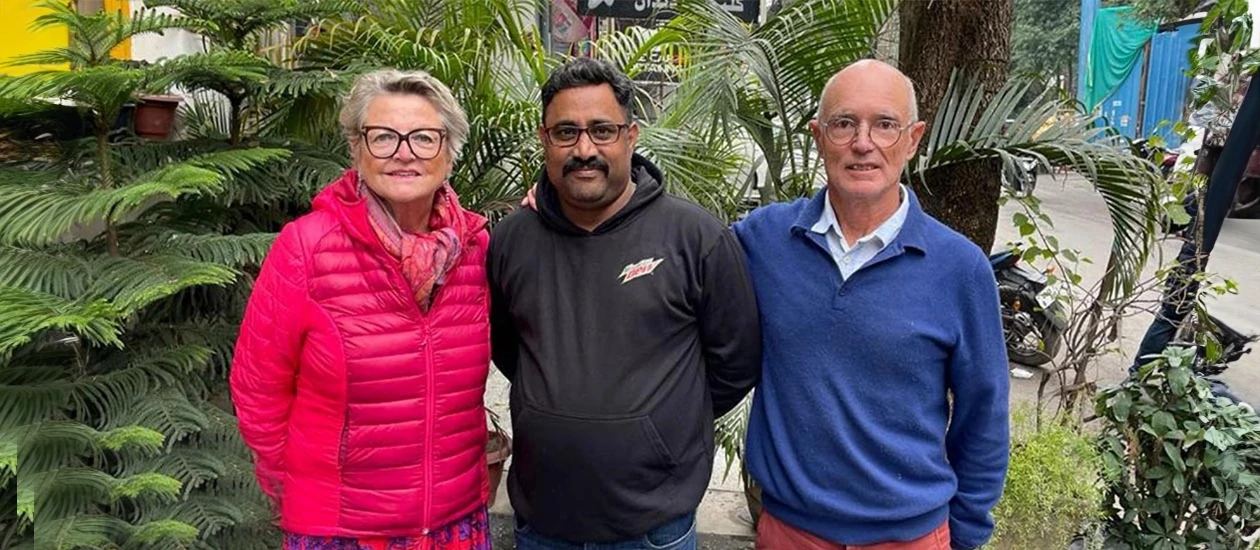
“People ask me for the best month and expect one word. The honest answer is that February and March are close to perfect on the plains, and that if you want Ladakh you should forget everything I just said and come in July.”
If you are travelling from within India
The domestic calendar is different — and it decides how crowded everywhere gets.
May–June: the hills fill up
School holidays send families to Shimla, Manali, Mussoorie and Nainital. Expect traffic on the hill roads and premium rates. Go midweek, book early, or pick a quieter valley.
Monsoon: Rajasthan's secret season
Domestic travellers have long known Rajasthan is beautiful in the rains — green, cool, uncrowded, and the cheapest palace hotels of the year. Udaipur in monsoon is genuinely special.
Long weekends & festival breaks
Diwali week, Christmas–New Year and any three-day weekend spike demand on the Golden Triangle and in the hills. If your dates are flexible, shifting by a week changes both price and crowding.
The pattern is worth internalising: Indian domestic travel peaks when foreign travel does not. May, June and the monsoon are quiet for international visitors and busy with Indian families — which is exactly why the hills are crowded in June while the Taj Mahal is nearly empty.
Which month I would actually pick, and why
Seventeen seasons of driving this country, condensed.
Every guide to this question gives you the same sentence: October to March. It is correct, and it is also close to useless on its own, because it covers six months that feel nothing like each other. A December morning in Jaipur, when the fog is sitting in the streets and you can see your breath, has almost nothing in common with a March afternoon in the same city. If you are going to fly halfway around the world, the difference between those two trips is worth more than a range of months.
So here is the version I give people on the phone. If you are coming for the classic first trip — Delhi, Agra, Jaipur, perhaps onward into Rajasthan — come in February or early March. By February the winter fog that plagues December and January has largely gone. The days are warm enough for shirtsleeves and cool enough to walk a fort at midday without suffering. The light is clean and low, which matters more than people expect at the Taj Mahal. Prices have come off the Christmas peak, and the crowds, while real, are thinner than in the last week of December when half of Europe and half of India are travelling at once.
Why I would not automatically say December
December is the month most people picture, and it is genuinely lovely by day. But two things make it harder than the brochures admit. The first is fog. Between roughly mid-December and mid-January, dense fog forms across the Indo-Gangetic plain — the exact corridor the Golden Triangle route runs through. On a bad morning visibility drops to a few metres, the expressway slows to a crawl, and a 5am start for a sunrise at the Taj becomes pointless because the monument is invisible until nine. I have sat in a car outside Agra with guests who had planned that sunrise for a year. Now I tell people honestly in advance and we plan a later start, with the sunrise attempt on the second morning as insurance.
The second is simple economics. The last two weeks of December are the most expensive and most heavily booked period in the Indian travel year, because the international holiday season collides with the Indian one. Hotels charge peak rates, the best drivers are committed months ahead, and everything has less slack in it. If those are your only possible dates, that is fine — just start planning much earlier than you would for any other month.
The best month is not the one with the nicest average temperature. It is the one where the weather, the crowds, the prices and the thing you actually came to see all line up. For most first-time visitors, that is February.
The two seasons nobody recommends, and when they are right
The monsoon is badly misunderstood by visitors. People imagine weeks of grey drizzle. What actually happens across most of North India is heavy rain in bursts, often in the late afternoon, separated by long bright spells. Rajasthan in July and August is a revelation — the desert turns genuinely green, the forts look extraordinary against dark skies, the crowds are gone and palace hotels cost a fraction of their winter rate. Udaipur in the rains, with the lakes full, is one of the most beautiful things in the country.
The caveat is geographic and it is not negotiable. Hill roads in Himachal and Uttarakhand are vulnerable to landslides during the monsoon, and a blocked road in the mountains does not clear in an hour. This is the one season where I will actively argue a guest out of an itinerary. Plains in monsoon: yes, enthusiastically. Mountains in monsoon: choose different dates.
Summer has one unarguable use, and it is the Himalayas. While Jaipur is at 44°C in June, the high passes into Ladakh and Spiti are finally clear of snow. That window — roughly June to September — is the only time those roads are open at all. It is the single most important scheduling fact in Indian travel and the one most first-time visitors miss: the mountains run on the opposite calendar to everywhere else. You cannot combine a Rajasthan trip and a Ladakh trip in one visit. Pick one properly rather than doing both badly.
Shoulder seasons: where the value actually is
If I could send people at one underrated time, it would be late September into early October. The monsoon has just retreated, so the dust has been washed out of the air and the whole country is at its greenest. The heat has broken. The peak-season pricing has not started. Sites that will be shoulder to shoulder in December are calm. The risk is a late shower, which in practice costs you an hour, not a day.
The other good shoulder is late March into early April. Holi falls in this window, everything is still open, and the heat, while building, has not yet taken over. Rates drop noticeably once the peak season ends. And if wildlife is on your list, this is when tiger sightings improve in Rajasthan's parks, because the water sources shrink and animals concentrate around them.
How to decide in about a minute
Ask yourself what the trip is really about. If it is monuments and cities — the Golden Triangle, Rajasthan's forts, Varanasi — take October to March, and February if you can choose freely. If it is mountains and high passes, take June to September and accept that the plains will be hot on your arrival and departure days. If it is beaches and backwaters in Kerala or Goa, take November to February. If it is value and solitude, take September or April. If it is a specific festival, let that fix the date and build everything else around it — and confirm the date early, because most follow the lunar calendar and move each year.
One last practical note. Whatever month you choose, the season changes how a trip should be structured, not just what you pack — departure times, how many hours in the car, whether a sunrise is realistic, how much slack to leave for a blocked road. That is the part a weather chart cannot tell you, and it is the part we actually get paid for. If you tell us your dates, we will tell you honestly what that season does to your itinerary, including when the answer is "come a month later". Have a look at the honest answer on safety and what a private driver costs while you are deciding, or just write to us with your dates.
Official sources & further reading
- India Meteorological Department — official forecasts, monsoon onset and withdrawal dates
- Incredible India — Ministry of Tourism — official festival calendar and regional guides
- UK FCDO — India travel advice — includes current weather and natural-disaster warnings
- Taj Mahal — official site — timings, which shift with sunrise through the year
Festival dates follow the lunar calendar and move each year; monsoon onset varies. Temperatures given here are typical ranges, not forecasts — check the IMD close to your travel date. Page last reviewed 11 August 2026.
Frequently asked questions
What travellers ask us when they are choosing dates.
What is the best time to visit India?
October to March for most of the country. Days are dry, sunny and comfortable for sightseeing, and the major festivals fall in this window. The high Himalayas are the exception and reverse the pattern completely — Ladakh and Spiti are only reachable from roughly June to September.
What is the best single month to visit India?
February and March, for a first trip. The winter fog has cleared, the heat has not arrived, Holi falls in this window, and both crowds and prices ease after the December peak. October and November are the other strong choice, with Diwali and the Pushkar Camel Fair.
What is the best time for the Golden Triangle?
October to March, and February to March especially. December and January are pleasant by day but bring dense morning fog across the Delhi–Agra plain, which delays starts and can hide the Taj at sunrise. See how many days you need for the route itself.
What is the worst time to visit India?
May and June for most of the country. North India regularly exceeds 40°C and Rajasthan can pass 45°C, which makes monuments punishing. The exception is the Himalayas, where those same months are the best of the entire year.
Can you travel India during the monsoon?
Yes, and parts of it are wonderful. Rajasthan turns green, crowds vanish and prices drop sharply; rain comes in heavy bursts rather than all day. The real caution is the mountains — Himachal and Uttarakhand see landslides and road closures, so we advise against hill routes from July to September.
When is the best time to visit Rajasthan?
October to March, with November to February the most comfortable. Desert days are warm and clear, nights are genuinely cold around Jaisalmer and Bikaner, so bring layers. The Pushkar Camel Fair is in November and the Jaisalmer Desert Festival in February.
When can you visit Ladakh and Spiti?
Roughly June to September. The high passes on the Manali–Leh and Srinagar–Leh roads are snow-bound most of the year and typically open around late May or June, closing again around October. This is the opposite of the rest of India, so Ladakh and Rajasthan cannot sensibly share one trip.
Is December a good time to visit India?
Yes for weather and atmosphere, with two caveats: mornings can be very cold and foggy, and late December is the busiest and most expensive fortnight of the year because Indian and international holidays overlap. Book hotels and drivers months in advance for Christmas and New Year.
When is India cheapest to visit?
July to September during the monsoon, then April to June. Hotel rates fall sharply outside the October to March peak and sites are far quieter. The shoulder weeks of late September and early April give you most of the value with much of the good weather.
Tell us your dates — we will tell you honestly
Including when the right answer is “come a month later”.
Ask about my dates Contact us