Told straight, by a driver
How Do You Avoid Tourist Scams in India?
Pre-arrange your transport, agree every price before the service rather than after, and refuse all unsolicited help near stations and monuments. Nearly every scam in India opens the same way — someone you did not approach offers information you did not ask for. A polite, firm no while you keep walking ends almost all of them.
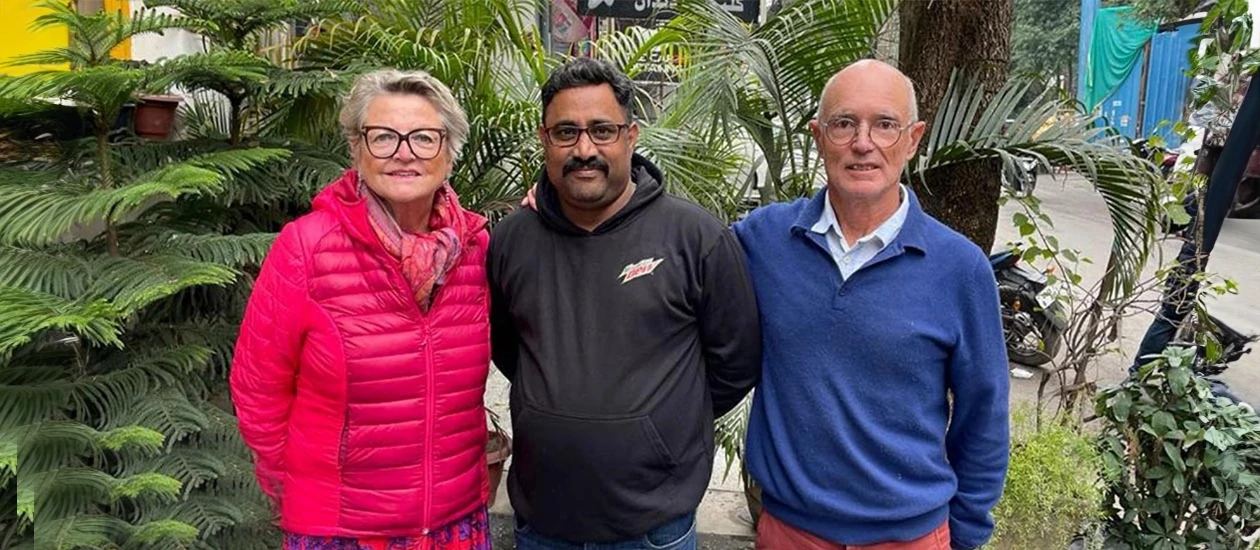 Answered by Randhir, founder & lead driver
Last reviewed 11 August 2026
Driving international guests since 2009
Answered by Randhir, founder & lead driver
Last reviewed 11 August 2026
Driving international guests since 2009
The short answer
- Every scam opens with unsolicited help. If you did not approach them, be sceptical.
- Never accept second-hand news about your own booking. “Your hotel is closed” is a diversion, not information.
- Agree the price before, never after. This one habit prevents most overcharging.
- Commission shopping is the drivers' scam. Ask your operator in writing to guarantee no unrequested stops.
- Buy monument tickets officially only — never from a person outside the gate.
- Nothing is an investment. Gems and carpets bought to resell at home are always a loss.
The one pattern behind every scam
Learn this and you do not need to memorise the list.
1. They approach you
You did not ask. Someone starts a friendly conversation at a station, monument gate or busy corner.
2. They supply a problem
Your hotel is closed. The monument shuts in ten minutes. That road is blocked today. The problem is invented.
3. They offer the solution
Conveniently, they know a better hotel, a special office, a friend with a shop. This is where the money moves.
4. They add urgency
You must decide now. Real services never need you to decide in thirty seconds on a pavement.
Break the chain at step one and nothing else can happen. You are allowed to not engage. Keep walking, say a cheerful no thank you, and do not answer questions about which hotel you are staying at.
The 12 scams and how to end each one
The opening line, and the reply that closes it.
| The scam | How it opens | What ends it |
|---|---|---|
| The closed hotel | “That hotel burned down / is full / is in a riot area.” | Phone the hotel yourself. Insist on the booked address. Do not discuss alternatives. |
| Fake tourist office | An official-looking “Government Tourist Information” near the station. | Government offices do not solicit in the street. Book through your hotel or a company you researched before flying. |
| Commission shopping | “Just one quick stop, my cousin's shop, no need to buy.” | Agree in writing before booking: no shopping stops unless you request one. |
| The broken meter | “Meter is not working today, I give you good price.” | Agree the fare before you get in, or use a pre-booked car. |
| Gem & carpet export | “Buy here, sell at home, double your money.” | There is no legitimate version. Buy only what you want to keep. |
| Ticket touts | “Counter is closed, I have tickets, skip the queue.” | Buy online officially or at the real counter. Never from a person outside the gate. |
| The closed monument | “Taj is shut for a VIP today — come to this other place.” | Check timings yourself. Only the Taj's Friday closure is real and predictable. |
| The friendly stranger | Excellent English, no ask — for the first twenty minutes. | Enjoy the chat, share nothing about your bookings, and decline the eventual invitation. |
| Overpriced SIM / currency | Airport kerbside offers at “special rate”. | Use official counters, bank ATMs and licensed exchange only. |
| The spill or paste | Something lands on your shoe; a helper materialises. | Do not stop. Clean it yourself later. |
| Fake charity / school | “Not money — just buy milk powder for the babies.” | The shop refunds the goods afterwards. Give to a registered organisation instead. |
| Train booking “help” | A helper at the station guides you to a “special counter”. | Book on the official railway site or app, or through your hotel. |
“Will my driver take me shopping for commission?”
The single most asked question about Indian drivers. Here is the honest answer.
With some operators, yes — and it is the most common complaint about drivers in India. Handicraft emporiums pay drivers a commission of roughly 10 to 40 percent on whatever a guest spends. That is why unrequested “quick stops” appear in sightseeing days. We do not do it, and never have.
I want to be straightforward about this rather than pretend it does not exist, because pretending is what makes travellers distrust every driver in the country. The commission system is real and it is widespread. A driver on a low daily wage can earn more from one carpet sale than from a week of driving, so the incentive is enormous. The guest loses two hours of their Jaipur afternoon and sometimes several hundred dollars.
The fix is not trust, it is writing. Before you book with anyone, send this sentence: “Please confirm there will be no shopping stops unless I specifically ask for one.” An honest operator confirms it in one line. An operator who hedges, explains that the stops are “just to see craftsmen working”, or says it is up to the driver, has told you what you needed to know.
“I have turned down commission for fifteen years. It costs me money and it is the reason French families have sent me their friends since 2009. If I take you to a shop, it is because you asked me to find one.”
Book these officially — never on the street
Four bookings where using the real source removes the risk entirely.
Monument tickets
The Taj Mahal and other protected monuments are ticketed by the Archaeological Survey of India. Buy online or at the official counter only.
Train tickets
Indian Railways sells through IRCTC. There is no “special tourist counter” that a helper needs to walk you to.
Your e-visa
Only one government portal issues Indian e-visas. Lookalike sites charge large “service fees” for the same form.
Your car and driver
Arranged before you fly, with a named driver and a written price. See what it costs.
Why this happens — and what actually stops it
The part most travel guides leave out, from someone inside the industry.
It is uncomfortable for me to write a page like this, because I am a driver in India telling you that drivers in India will try to take your money. But the discomfort is exactly why it needs writing. When nobody in the industry says it plainly, travellers arrive believing either that nothing happens here or that everything does — and neither of those is useful when you are standing outside Delhi railway station at nine in the morning with a suitcase.
Start with the economics, because the scams make sense once you see them. A driver working for a large agency may earn a modest daily wage. A carpet emporium in Jaipur will pay that same driver a commission of anywhere between ten and forty percent on whatever their passengers spend. One afternoon and one persuadable couple can be worth more than a fortnight of driving. Nobody involved thinks of themselves as a criminal. The emporium is a real shop selling real carpets. The driver is providing real transport. The only thing that has quietly gone missing is your afternoon and your ability to compare prices.
Why tourists are the target, specifically
Three things make a foreign visitor an easy mark, and none of them are about intelligence. You do not know the fair price of anything yet, so a quote of two thousand rupees for a two-hundred-rupee ride sounds merely expensive rather than absurd. You are usually tired, often jet-lagged, and carrying luggage, which makes standing your ground physically harder. And most importantly, Western politeness works against you here: the instinct to engage courteously with everyone who speaks to you is read, quite reasonably, as interest. In India a firm, friendly, non-stopping no thank you is completely normal and nobody is offended by it. Learning that is worth more than any list of scams.
The scam is never the shop, the taxi or the ticket. The scam is the moment you were separated from the plan you already had. Everything after that is just the mechanism.
The structural fix
Individual counters for individual scams are useful, and the table above gives you twelve of them. But the structural fix is simpler: remove the unplanned moments. Almost everything on this page requires you to be making a decision on a pavement, under time pressure, with an information gap. Take those conditions away and there is nothing for the script to attach to.
In practice that means your airport pickup is booked before you land, with a named person and a price already agreed. It means one driver for the whole journey rather than a new negotiation in each city. It means monument tickets bought from the Archaeological Survey of India's official ticketing portal rather than from a man near the gate, train tickets from IRCTC rather than a “special counter”, and your e-visa from the single official government portal rather than one of the many lookalike sites that charge a large fee to fill in the same form on your behalf. It also means checking your own government's current travel advice for India before you book, which takes three minutes and is more current than any blog.
What to ask an operator before you pay anyone
If you take one practical thing from this page, make it these four questions. Send them by message so you have the answers in writing. One: will there be any shopping stops, and will you confirm in writing that there will be none unless I ask? Two: who exactly is my driver, and can I see his name and photograph before I arrive? Three: is the price all-inclusive of fuel, tolls, interstate taxes, parking and the driver's own food and accommodation? Four: what is the payment schedule, and why are you asking for that amount up front? Any operator who answers all four clearly and in writing is very unlikely to be the problem. Ours are answered on the cost page, the drivers page and the safety and vetting page, which is deliberate.
One last thing, and I mean it sincerely. Do not let this page make you suspicious of India. The overwhelming majority of people you meet here will be kind to you for no reason at all, will go far out of their way to help you find an address, and will refuse payment for it. Read the honest answer on whether India is safe alongside this one, because the two belong together. Learn the twelve scripts above, arrange your transport in advance, and then relax and enjoy one of the most rewarding countries in the world to travel through. If you want to see how most first trips are structured, start with the Golden Triangle timing guide or just ask us directly.
Official booking sources & further reading
- Archaeological Survey of India — official monument e-tickets (Taj Mahal, Agra Fort, Red Fort and more)
- IRCTC — official Indian Railways booking · Indian Railways enquiry
- Indian Visa Online — the only official e-visa portal
- Incredible India — Ministry of Tourism, Government of India
- UK FCDO — India travel advice · U.S. State Department advisory
Tourist helpline: 1363 (Ministry of Tourism, 24 hours, multilingual). National emergency: 112. Page last reviewed 11 August 2026.
Frequently asked questions
What travellers from the USA, UK and Europe ask us before they book.
How do I avoid tourist scams in India?
Pre-arrange your transport, agree every price before the service rather than after, refuse unsolicited help near stations and monuments, and never let a stranger redirect you from a booking you already hold. Almost every scam opens with someone you did not approach offering information you did not ask for.
Will my driver take me to shops for commission?
With some operators, yes — emporiums pay drivers 10 to 40 percent of whatever you spend, which is why unrequested stops appear in sightseeing days. We do not do it. Put it in writing before you book: ask the operator to confirm there will be no shopping stops unless you request one.
What is the closed hotel scam?
A driver or stranger tells you your hotel has closed, burned down or is overbooked, then offers a better one where they earn commission. It is one of the oldest scams in Delhi. Never accept second-hand news about your own booking — phone the hotel yourself and insist on the address you booked.
Are there fake government tourist offices in India?
Yes, especially around New Delhi railway station and Connaught Place, using official-sounding names and signage to sell overpriced tours. No genuine government office solicits tourists in the street or needs cash for a tour on the spot. Book through your hotel or a company you researched before travelling.
What is the gem or carpet export scam in Jaipur?
You are told you can buy gemstones or carpets and resell them at a profit at home, sometimes with a partner abroad who will buy them. The goods are worthless or hugely overvalued and the buyer does not exist. Buy handicrafts because you want to own them — never as an investment.
How do I avoid taxi and auto-rickshaw scams?
Use pre-booked cars, hotel transfers or metered app rides rather than hailing from the street. If you do take an auto-rickshaw, agree the fare before getting in. The broken-meter line and the sudden shop detour are the two standard variations, and having your own driver removes both.
Should I buy Taj Mahal tickets from someone outside the gate?
No. Buy from the Archaeological Survey of India's official ticketing site or the official counter. Touts sell overpriced, invalid or duplicate tickets and offer to skip queues they cannot skip. Your driver should drop you at the official entry and point out the real counter.
Is it rude to say no to touts in India?
Not at all. A clear, friendly no while continuing to walk is completely normal and nobody is offended. The common Western mistake is engaging politely with every approach, which reads as interest. Do not stop, do not accept anything placed in your hand, and do not say where you are staying.
No commission stops. Ever. In writing.
Ask us to confirm it before you book — we will, in one line.
Ask on WhatsApp Contact us